



Against the backdrop of rising global trade protectionism and green transformation, the overseas expansion strategies of Chinese steel companies are undergoing profound restructuring. Faced with a flurry of anti-dumping investigations launched by multiple countries and significantly tightened import quotas in the EU and other regions, Chinese steel companies are accelerating their move away from homogeneous competition in the low-end general steel market. They are reshaping their core competitiveness on the international stage by cultivating the high-end special steel market and seizing opportunities for green certification.
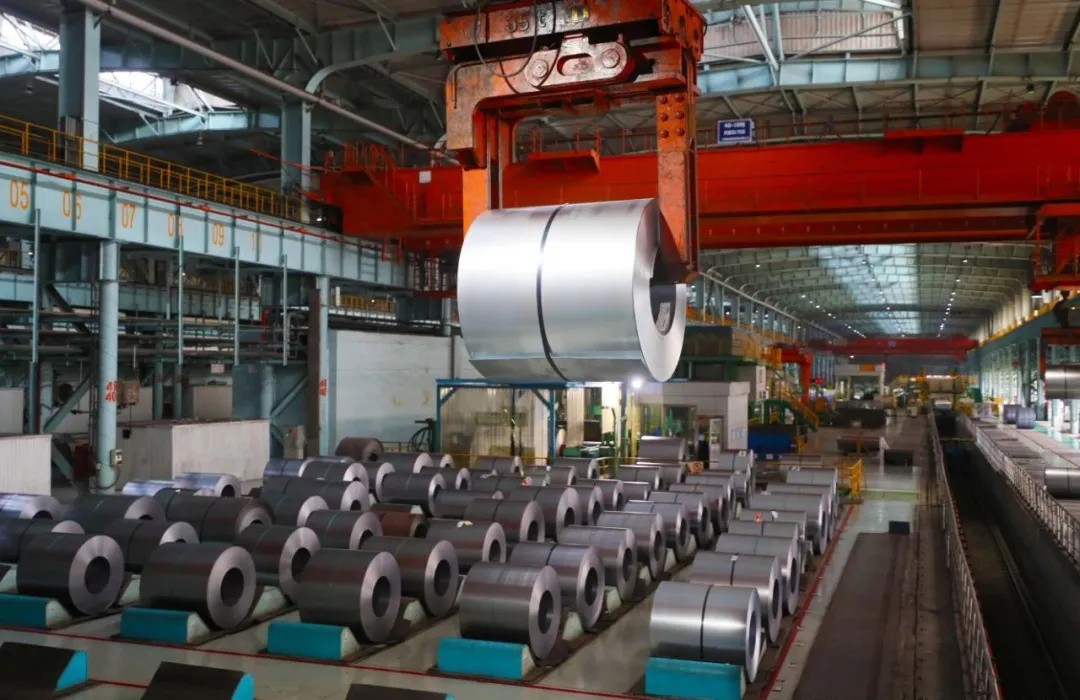
On the one hand, high-end products, represented by premium special steel, are rapidly penetrating mainstream international supply chains. From Gr50 hot-rolled coils supporting the construction of modern aluminum foil bases in the Middle East to special steel and round bars successfully entering the Southeast Asian and ASEAN markets, Chinese steel companies are precisely matching the stringent engineering specifications and acceptance standards of various countries through integrated production, sales, and research. Some companies have even won long-term favor from well-known overseas OEMs and large-scale infrastructure projects thanks to their superior quality and stable delivery, achieving a leap from "small-batch customization" to "large-scale procurement."
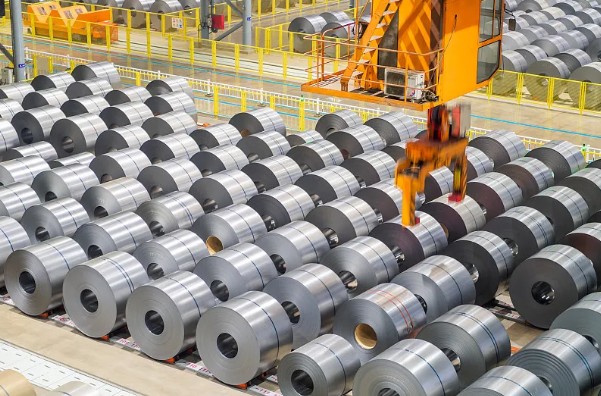
On the other hand, carbon emission data is becoming a new "passport" determining the competitiveness of steel exports. With the global shipping transition to zero carbon and the implementation of the Carbon Border Adjustment Mechanism (CBAM), steel exports have shifted from simply competing on specifications and prices to competing on carbon data. Recently, some domestic steel companies have taken the lead in obtaining full coverage of dual carbon footprint certifications for marine steel plates. This not only means their products have obtained an "inspection-free ticket" to the international high-end shipbuilding supply chain, but also signifies that China's steel industry has achieved a breakthrough in green and low-carbon certification and digital traceability capabilities. In the future, whoever can provide internationally accepted carbon footprint data first will gain priority in negotiations within the global green supply chain, truly transforming green barriers into new moats for overseas expansion.
Contact With Us



Please enter what you want to find
Contact With Us